
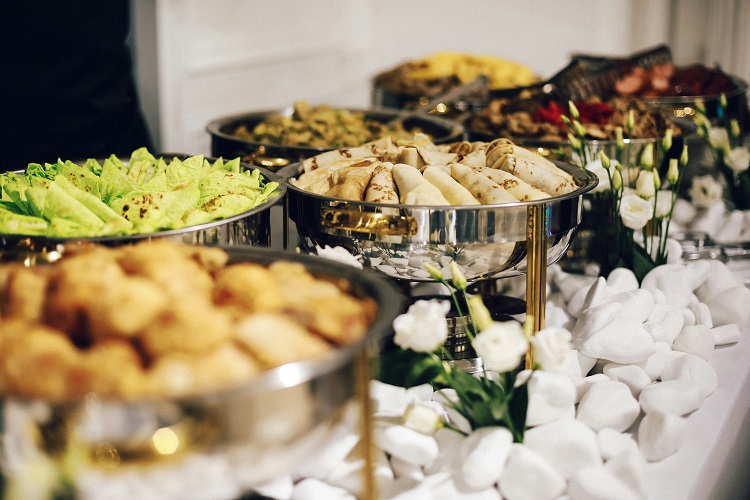
The mini buffet has quietly transformed how Singaporeans approach small-scale entertaining, offering all the variety and convenience of traditional catering scaled perfectly for intimate gatherings. In a city where space is precious and time even more so, this dining solution has emerged as the answer to a distinctly modern problem: how to create memorable meals without the overwhelming logistics that typically accompany hosting.
The Intimate Revolution: Redefining Scale in Singapore’s Food Culture
Singapore’s food culture has always celebrated abundance, from hawker centres bursting with choices to grand hotel buffets that stretch across vast dining halls. Yet somewhere between the individual bento box and the overwhelming spread designed for hundreds, a gap existed. The mini catering phenomenon fills this void with remarkable precision, targeting gatherings of 8 to 25 people—precisely the size of most family celebrations, office team meetings, and friendship circles.
“Food is best consumed within 2 hours,” notes one established caterer, highlighting the emphasis on freshness that defines quality mini buffet delivery singapore services. This attention to timing reflects a deeper understanding of how people actually gather and eat together in contemporary Singapore.
The Art of Thoughtful Portion Control
What distinguishes exceptional mini buffets from their larger counterparts isn’t simply reduced quantity—it’s the curator’s eye applied to menu selection. The most successful offerings present a carefully balanced selection that mirrors the diversity Singaporeans expect, compressed into a manageable format.
Consider the typical composition:
- Asian classics that anchor the meal in familiar flavours
- International options that add sophistication and variety
- Peranakan specialities that celebrate Singapore’s unique culinary heritage
- Fresh elements that provide textural contrast and visual appeal
- Dessert components that complete the dining experience
This thoughtful curation means every dish must justify its inclusion. There’s no room for fillers or afterthoughts in successful mini catering arrangements.
The Logistics of Intimacy: Delivery Reimagined
The infrastructure supporting mini buffet delivery singapore has evolved with remarkable sophistication. Self-heating containers maintain optimal temperatures without bulky equipment. Recyclable warmer bags replace traditional chafing dishes. Complete cutlery sets eliminate the host’s preparation anxiety. These innovations represent more than convenience—they embody a philosophy that entertaining should enhance relationships rather than burden them.
“The food never failed to impress my guests and colleagues,” shares one satisfied customer, reflecting a sentiment echoed across numerous testimonials. This consistency suggests that mini buffet providers have mastered not just logistics, but the emotional architecture of successful gatherings.
Economic Sensibility Meets Culinary Ambition
Pricing structures in Singapore’s mini catering market reveal careful consideration of value perception. Options range from approximately $9.50 per guest for high tea selections to $30 per guest for premium executive offerings. This pricing reflects both the economics of small-batch preparation and the premium placed on convenience in Singapore’s time-conscious society.
The minimum guest requirements—often between 8 and 25 people—strike a balance between operational viability and accessibility. These thresholds ensure that mini buffets remain genuinely intimate whilst providing caterers with sustainable business models.
Cultural Fusion on a Smaller Canvas
Singapore’s multicultural identity finds particularly elegant expression in mini buffet menus. Peranakan dishes like Ayam Buah Keluak appear alongside Thai pineapple rice and international selections, creating a compressed representation of the island’s culinary diversity. This fusion isn’t arbitrary—it reflects the reality of Singapore’s social gatherings, where diverse tastes and dietary requirements must be accommodated within single events.
The inclusion of traditional elements like blue pea rice—praised by customers as “particularly awesome and so much better than a lot of other caterers”—demonstrates how mini catering preserves authentic flavours whilst adapting to contemporary dining patterns.
The Social Architecture of Small Gatherings
Perhaps most significantly, mini buffets acknowledge the social dynamics that make small gatherings distinct from larger events. In groups of 8 to 25, individual preferences carry more weight. Dietary restrictions become personal considerations rather than statistical calculations. The success of the meal directly impacts every participant’s experience, creating higher stakes for quality and satisfaction.
This intimacy demands a different approach to service. Customer testimonials frequently mention responsive communication, personalised attention, and flexibility in accommodating last-minute changes. Such service reflects understanding that mini catering serves not just events, but relationships.
Sustainability in Small-Scale Solutions
The environmental implications of mini buffets deserve consideration. Lightweight containers, recyclable materials, and portion accuracy reduce waste compared to traditional catering approaches. The elimination of elaborate serving equipment further minimises environmental impact whilst maintaining presentation standards. This efficiency aligns with Singapore’s broader sustainability initiatives whilst serving practical needs.
The evolution of mini buffets in Singapore represents more than a market trend—it embodies a sophisticated response to contemporary urban living. As traditional hospitality adapts to modern constraints of space, time, and social dynamics, mini catering emerges as a solution that neither compromises on quality nor sacrifices the essential joy of sharing good food with people who matter. For those seeking to create meaningful dining experiences without overwhelming logistics, mini buffet delivery in Singapore offers the perfect synthesis of convenience and culinary satisfaction.
 cookform.food.blog