
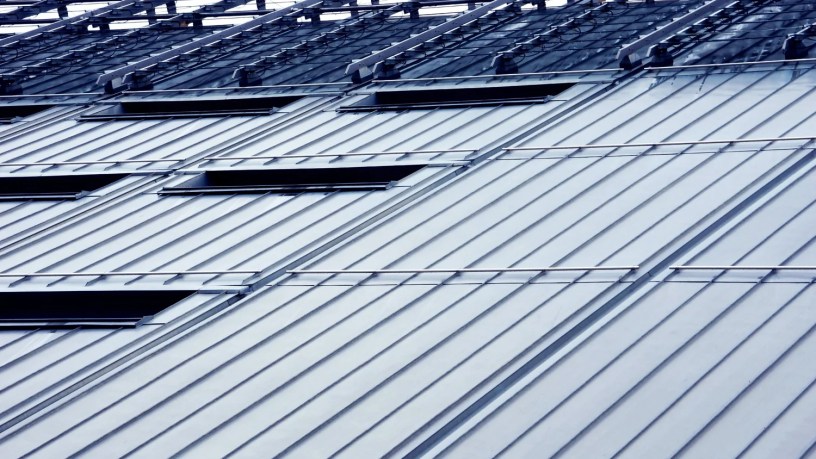
When it comes to building or renovating a home, roofing is one of the most critical elements that determines both longevity and energy efficiency. Fabricated metal roofing has become a preferred choice among homeowners seeking a balance of strength, sustainability, and modern aesthetics. Thanks to advances in metal fabrication Sunshine Coast techniques and materials, custom roofing systems can now be engineered for precise fits, enhanced corrosion resistance, and long-term value—all while complementing any architectural style.
Strength and Longevity
Metal roofing is among the most durable materials available for residential construction. Properly fabricated and installed metal roofs can last 50 years or more, far outpacing traditional asphalt shingles or tiles. The fabrication process allows precise cutting, folding, and welding of materials such as steel, aluminum, and zinc, ensuring each panel or section fits perfectly with minimal waste. This precision also contributes to superior sealing against water ingress and wind uplift.
Unlike wood or composite materials, metal roofs are highly resistant to fire, mold, pests, and extreme temperatures. Their inherent strength also makes them ideal for regions prone to severe weather. Fabricated joints and interlocking systems improve structural integrity, minimize maintenance requirements, and protect the underlying structure for decades.
Sustainability and Environmental Benefits
One of the most significant advantages of fabricated metal roofing is its environmental sustainability. Metal is one of the few materials that can be endlessly recycled without losing its structural integrity. Many modern roofing panels are made from recycled content and are themselves 100% recyclable at the end of their lifespan.
Furthermore, the reflective nature of metal surfaces helps reduce heat absorption, lowering indoor temperatures during hot months. This leads to significant energy savings by reducing the need for air conditioning. When combined with proper insulation and ventilation, fabricated metal roofs can dramatically improve a home’s energy efficiency profile.
The precision offered by modern fabrication techniques also reduces material waste during production and installation. With computer-aided design (CAD) and CNC cutting tools, each panel is made to exact dimensions, ensuring that every section serves a purpose.
Customization and Aesthetic Flexibility
Gone are the days when metal roofing was only available in corrugated sheets. Today’s fabricated metal roofing options include standing seam panels, tiles, shingles, and even architectural shapes that mimic slate or wood. Powder coating and anodizing technologies allow a wide range of colors, finishes, and textures that enhance curb appeal while protecting against UV damage and corrosion.
Metal fabrication specialists can tailor roofs to suit both modern and traditional designs, with options to incorporate skylights, solar panels, and integrated drainage systems. These custom features not only add functionality but also elevate the property’s overall aesthetic.
Durability Through Fabrication Excellence
The quality of a fabricated metal roof depends heavily on the fabrication process itself. Skilled fabricators employ advanced methods such as CNC folding, TIG or MIG welding, and surface treatments like galvanizing or powder coating. Each step contributes to the roof’s overall performance and durability.
For instance, marine-grade stainless steel and aluminum alloys are commonly used in harsh environments due to their superior corrosion resistance. Proper surface finishing—whether brushed, anodized, or coated—further enhances longevity by preventing rust and reducing maintenance needs.
Attention to detail in joint design, fastener selection, and drainage ensures that the roof remains weather-tight throughout its lifespan. A well-fabricated roof can handle heavy rains, snow loads, and temperature fluctuations without warping or cracking.
Cost and Long-Term Value
While the initial cost of a fabricated metal roof can be higher than that of traditional roofing materials, it pays off over time. Homeowners benefit from reduced maintenance costs, lower energy bills, and extended service life. The combination of minimal upkeep and recyclability means that the total lifecycle cost is often lower than that of conventional materials.
Additionally, metal roofs enhance property value and curb appeal. Their modern, sleek appearance often attracts buyers who value both performance and sustainability.
The Fabrication Process: Precision and Performance
A typical metal fabrication sunshine coast process for roofing involves several key steps:
- Design and Measurement – Roof dimensions are modeled using CAD to ensure an exact fit.
- Cutting and Forming – CNC laser or plasma cutting ensures precision, while press braking shapes panels with consistency.
- Welding and Assembly – Joints and seams are welded or mechanically fastened to achieve strength and waterproofing.
- Surface Treatment – Powder coating, galvanizing, or anodizing is applied for protection and color.
- Installation and Inspection – The fabricated panels are installed and tested to meet structural and weatherproofing standards.
Each stage contributes to a product that performs flawlessly for decades.
Conclusion
Fabricated metal roofing is a smart investment for homeowners seeking durability, sustainability, and design flexibility. Through careful material selection, advanced fabrication techniques, and professional installation, metal roofs offer a balance of performance and style that few other materials can match.
Whether used in contemporary homes or classic architectural designs, a well-crafted metal roof provides strength against the elements, energy efficiency, and an eco-friendly footprint. As fabrication technology continues to evolve, metal roofing will remain one of the most reliable and sustainable choices for residential construction in the years to come.
 cookform.food.blog