
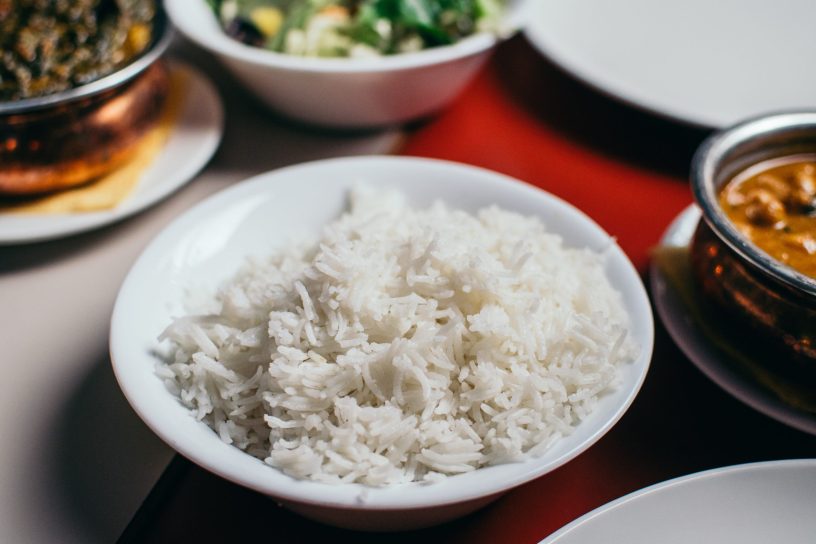
Glutinous rice where to buy represents a practical question for home cooks seeking to prepare authentic Asian dishes that require this distinctive sticky grain variety. The search for quality glutinous rice need not prove daunting, yet it does require some knowledge of where reliable sources exist and what characteristics indicate freshness and proper storage. Unlike ordinary long-grain rice, which enjoys near-universal availability in every corner shop and supermarket, glutinous rice occupies a more specialised position in the retail landscape, demanding that consumers know which outlets stock it consistently and maintain appropriate inventory standards. The proliferation of Asian groceries and the growing sophistication of mainstream supermarkets have, fortunately, expanded access considerably over recent decades, transforming what was once an exotic ingredient into one readily obtainable by those who know where to look.
The historical trajectory of glutinous rice availability in Western markets mirrors broader patterns of immigration and cultural exchange. In the mid-twentieth century, sticky rice remained largely confined to specialist importers and small ethnic groceries serving immigrant communities. The subsequent expansion of Asian cuisines into mainstream dining culture, coupled with increased travel and culinary curiosity among Western populations, created demand that larger retailers could not ignore. Today’s shopper benefits from this evolution, enjoying access to multiple grades and varieties that previous generations could scarcely have imagined.
Primary Retail Channels for Purchasing Sticky Rice
Several distinct retail environments stock glutinous rice, each offering particular advantages:
- Asian supermarkets and groceries represent the most reliable source, typically maintaining extensive rice selections that include multiple brands, grain types, and package sizes. These establishments cater to communities that consume sticky rice regularly, ensuring rapid inventory turnover and consequently fresher stock.
- Mainstream supermarket chains increasingly dedicate shelf space to Asian ingredients, including glutinous rice. Whilst the selection may prove more limited than specialist shops, the convenience of one-stop shopping appeals to many consumers. Quality and freshness can vary, so checking packaging dates becomes essential.
- Health food stores and organic markets stock glutinous rice, particularly organic and whole-grain black sticky rice varieties. These outlets attract health-conscious consumers and often provide detailed sourcing information.
- Online retailers and specialty food websites offer convenient delivery of glutinous rice directly to one’s door. This option proves particularly valuable for those living in areas with limited physical access to Asian groceries, though shipping costs and the inability to inspect packages before purchase represent potential drawbacks.
- Restaurant supply stores occasionally sell to retail customers and stock commercial-sized bags at competitive prices. This option suits those who consume sticky rice regularly and possess adequate storage space.
Quality Indicators When Shopping
Discerning quality requires attention to several factors. The packaging date or best-before date provides the most straightforward indicator of freshness. Rice maintains quality for extended periods when properly stored, but fresher stock generally delivers superior results. The grains themselves, visible through clear packaging, should appear uniformly white or, in the case of black glutinous rice, consistently dark without excessive broken pieces or foreign matter. Reputable suppliers typically package their rice in sealed bags that protect against moisture and pest infiltration.
The grain size offers clues about the variety and its likely culinary applications. Short, round grains suit East Asian preparations like mochi, whilst longer grains work better for Southeast Asian sticky rice dishes. Some packages helpfully indicate the rice’s origin, with Thailand, Laos, and various Chinese provinces all producing distinctive varieties that experienced cooks may prefer for specific recipes.
In Singapore’s competitive retail environment, consumers enjoy abundant choice. As one food industry analyst noted, “Singapore’s glutinous rice where to buy options reflect the island’s multicultural population and sophisticated food culture, with neighbourhood wet markets, supermarket chains, and specialty importers all competing to offer the freshest products.” The concentration of Asian groceries in areas like Chinatown and Little India provides particularly dense clusters of reliable suppliers, whilst suburban shopping centres increasingly feature well-stocked Asian sections in their major supermarkets.
Practical Shopping Considerations
Package size merits careful consideration. Glutinous rice keeps well but does gradually lose quality over time, particularly after package opening. Home cooks preparing sticky rice occasionally might opt for smaller bags of one to two kilogrammes, whilst those incorporating it regularly into their cooking can economise by purchasing five or ten kilogramme sacks. The price differential per kilogramme often favours larger purchases significantly, though only if the quantity will be consumed within a reasonable timeframe.
Shopping during weekdays at Asian supermarkets often proves more pleasant than weekend visits, when crowds can make browsing difficult. Staff at specialty groceries frequently possess extensive knowledge about their products and can offer guidance regarding which varieties suit particular dishes. Developing a relationship with a reliable supplier can yield benefits, as staff may alert regular customers to new arrivals or special purchases.
Storage and Preservation After Purchase
Proper storage extends the life of glutinous rice purchased in any quantity. Transferring rice from its original packaging into airtight containers protects against humidity and pests whilst preserving freshness. Cool, dark storage areas work best, as heat and light accelerate deterioration. Some cooks store large quantities in the freezer, a practice that effectively halts any degradation though it requires advance planning to allow frozen rice to reach room temperature before use.
The investment of time in locating reliable sources for glutinous rice pays dividends in cooking results. Quality ingredients form the foundation of successful dishes, and sticky rice prepared from fresh, properly stored grains delivers the authentic texture and subtle fragrance that mediocre products cannot match. For home cooks committed to exploring Asian culinary traditions or simply seeking to master specific dishes that require this unique grain, knowing glutinous rice where to buy establishes the essential first step toward consistent kitchen success based on understanding glutinous rice where to buy.
 cookform.food.blog